Strait of Hormuz: The World's Most Important Waterway
Explore the Strait of Hormuz from Musandam. Learn about its global significance, see it on a dhow cruise, and understand why this narrow passage matters.

Jazar Musandam Team
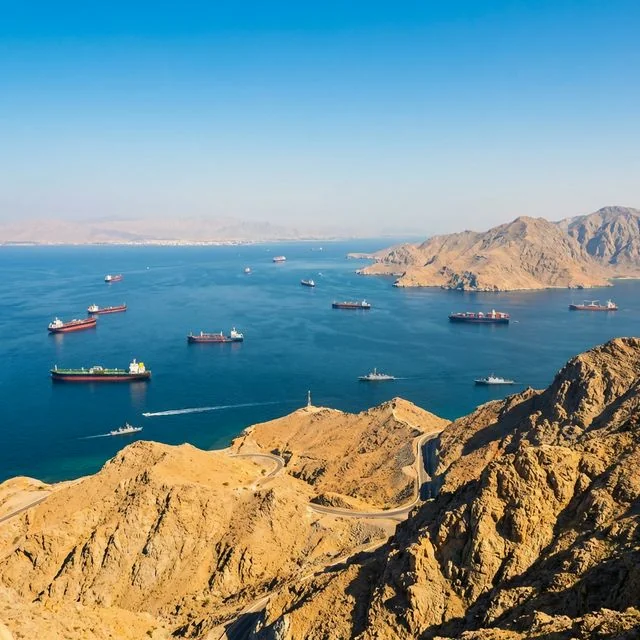
Where Geopolitics Meets the Sea
The Strait of Hormuz (مضيق هرمز) is not just a body of water—it's one of the most strategically important chokepoints on Earth. This narrow passage between the Arabian Peninsula and Iran carries approximately 20% of the world's petroleum, making it the jugular vein of global energy supply.
And remarkably, you can see it, sail on it, and understand its importance firsthand from the Musandam Peninsula. Few tourists realize they're visiting one of the world's most critical geopolitical locations while enjoying their dhow cruise.
The Geographic Reality
By the Numbers
- Narrowest Width: 39 km (24 miles)
- Depth: 60-90 metres in shipping lanes
- Shipping Lanes: Two 3 km wide lanes, one in each direction
- Buffer Zone: 3 km between inbound and outbound traffic
- Daily Traffic: Approximately 30% of sea-traded oil
The Countries Involved
- Iran: Controls the northern shore
- Oman (Musandam): Controls the southern shore
- UAE: Coastline to the west of Musandam
This creates an unusual situation where Musandam—an Omani exclave separated from the main country—shares control of arguably the world's most important maritime passage.
Why It Matters Globally
Oil and Energy
The Gulf nations—Saudi Arabia, Kuwait, Iraq, Qatar, UAE, Bahrain—collectively produce about 25% of the world's oil. Almost all of it must pass through this narrow strait to reach global markets. Any disruption here can send fuel prices skyrocketing worldwide.
Strategic Significance
Major naval powers maintain presence in or near the strait:
- US Fifth Fleet based in Bahrain
- British military facilities in the Gulf
- Iranian naval installations on their shore
- Various coalition and allied forces
Historical Importance
Control of this passage has been contested for millennia. Portuguese fortresses (like those at Hormuz Island), British imperial interests, and modern geopolitics have all centered on who controls this vital route.
Experiencing the Strait from Musandam
Dhow Cruises
While most dhow cruises focus on the fjords and dolphins, the waters you're sailing are part of the strait's approach. Depending on your route, you may see:
- Massive tankers on the horizon
- Cargo ships heading to Gulf ports
- Naval vessels of various nations
- Traditional fishing boats continuing ancient practices
Viewpoints
From elevated positions in Musandam, you can observe the shipping lanes:
- Jebel Harim offers distant views
- Coastal roads near Khasab
- The port area of Khasab
Kumzar Village
The remote village of Kumzar sits at the very tip of the peninsula, as close as you can get to the main shipping lanes. Boat trips to Kumzar pass through these strategic waters.
The Tanker Traffic
Watching the constant parade of enormous vessels is mesmerizing:
- VLCCs: Very Large Crude Carriers up to 350,000 tons
- LNG Carriers: Specialized ships for liquid natural gas
- Product Tankers: Refined petroleum products
- Container Ships: General cargo for Gulf markets
Naval Presence
Don't be surprised to see military vessels:
- Omani Navy and Coast Guard patrol their waters
- Coalition forces escort commercial shipping
- Various nations conduct exercises
- All maintain a low profile—tourism is not affected
Traditional vs Modern
One of the striking contrasts of Musandam is seeing traditional wooden dhows—unchanged for centuries—sailing in waters shared with supertankers and guided-missile destroyers. This juxtaposition of old and new, local and global, is uniquely Musandam.
Photography Opportunities
- Sunset with tankers silhouetted on the horizon
- Traditional dhow with modern shipping in background
- Mountain-meets-sea perspectives showing the strait
- Dawn light catching ships' superstructures
Understanding the Stakes
When you visit Musandam, you're not just enjoying beautiful scenery—you're seeing one of the pivotal points of global geopolitics. The oil that powers cars in Tokyo, heats homes in Berlin, and fuels factories worldwide passes within sight of where you're swimming with dolphins.
This context adds a layer of significance to even a simple dhow cruise. You're floating on waters that quite literally power the world economy.
Plan Your Visit
Experience the Strait of Hormuz as part of your Musandam adventure:
- Book a dhow cruise that ventures into open waters
- Ask about routes passing closer to shipping lanes
- Consider a Kumzar expedition for the closest approach
- Bring binoculars to observe distant vessels
Contact us to discuss tours that highlight this unique aspect of Musandam's geography.
Ready to Experience Strait of Hormuz Boat Tours?
Make your Strait of Hormuz Boat Tours memorable with our local expertise. Whether you're interested in Musandam sea passages or looking for comprehensive Khasab strait tours, we have the perfect itinerary for you. Let our guides help you explore the incredible beauty of Musandam.
Frequently Asked Questions
Can you see the Strait of Hormuz from Musandam?
Why is the Strait of Hormuz so important?
How wide is the Strait of Hormuz?
Which countries border the Strait of Hormuz?
Is it safe to visit the Strait of Hormuz?
What kind of ships pass through the Strait of Hormuz?
Ready to Experience Musandam?
Book your adventure today and discover why Musandam is called the "Norway of Arabia".
Zain Musandam
Local Guide & Musandam Expert
"Zain is a local Musandam tour guide from Khasab, Oman, with over 15 years of experience navigating the Musandam fjords. He specializes in dhow cruises, fjord tours, and hidden gems in Musandam, sharing authentic insights into Omani maritime heritage."
Continue Reading
More guides and tips for your Musandam adventure
 Activities
Scuba Diving Musandam
Read Article Destinations
Telegraph Island History & Guide
Read Article Destinations
Kumzar Village — Remote Treasure
Read Article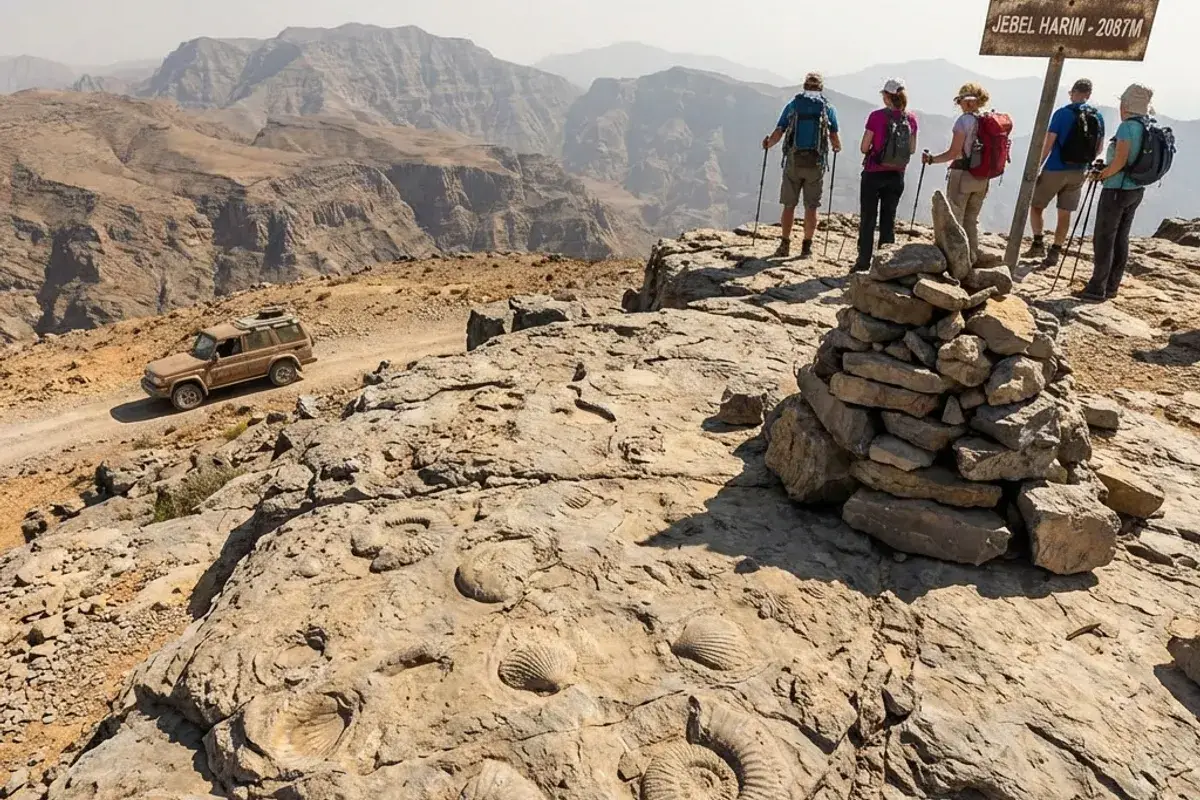 Destinations
Jebel Harim — Highest Mountain
Read Article Activities
Camping in Musandam
Read Article Travel Planning