Marine Life in Musandam Oman | Dolphins, Turtles & Coral
Discover Musandam's incredible marine life — dolphins, sea turtles, whale sharks, tropical fish & coral reefs. Best spots, seasons & ethical viewing tips.

Jazar Musandam Team
An Underwater Paradise
The waters around Musandam are where the Persian Gulf meets the Gulf of Oman, creating a nutrient-rich environment that supports extraordinary marine biodiversity. From playful dolphins to ancient sea turtles, the underwater world here rivals far more famous dive destinations.
Dolphins
The stars of every dhow cruise. Humpback dolphins and bottlenose dolphins are resident year-round, and we have a 95%+ sighting rate on morning cruises. Pods of 10-50 dolphins often ride the bow wave of the dhow, leaping and spinning just metres away.
- Best time: Morning (8-10 AM) in the open water before entering the fjords
- Species: Indo-Pacific humpback dolphin (pink-grey), common bottlenose dolphin
- Behaviour: Bow-riding, leaping, social groups with calves
- How to see: Included in all dhow cruises
Sea Turtles
Both green turtles and hawksbill turtles are found in Musandam waters. They're most commonly spotted while snorkeling in the fjords and around Snoopy Island near Dibba.
- Best spots: Snoopy Island (Dibba), Khor Shamm, Telegraph Island area
- Season: Year-round, more active October-April
- Nesting: Remote beaches of Musandam serve as nesting sites (June-September)
- Rules: Observe from a distance. Never touch, chase, or ride turtles.
Tropical Fish & Reef Life
The coral reefs and rocky shores of Musandam host hundreds of reef fish species:
- Clownfish — Nemo fans will love spotting them in anemones
- Parrotfish — Colourful and common throughout the reefs
- Barracuda — Schools of silver hunters in deeper water
- Moray eels — Hiding in rock crevices; harmless if not provoked
- Lionfish — Beautiful but venomous; look but don't touch
- Octopus — Masters of camouflage on the sea floor
- Grouper — Large, friendly bottom-dwellers
Rare & Seasonal Visitors
- Whale sharks: Occasional visitors, typically October-December. Massive but gentle filter-feeders.
- Manta rays: Spotted in deeper waters, especially around Dibba and Lima.
- Blacktip reef sharks: Harmless small sharks seen in shallow bays.
- Cuttlefish: Fascinating colour-changers, common on night dives.
Best Ways to See Marine Life
- Dhow cruise: Dolphins from the boat + snorkeling stops — book here
- Snorkeling: Telegraph Island, Snoopy Island, fjord coves — snorkeling tours
- Scuba diving: Deeper reef exploration — diving tours
- Kayaking: Quiet approach to marine life — kayak tours
- Fishing: Catch (and release) local species — fishing tours
Responsible Marine Tourism
We follow these principles to protect Musandam's marine ecosystem:
- No touching or standing on coral
- No feeding fish or dolphins
- No single-use plastics on our boats
- Reef-safe sunscreen required for snorkeling
- Maintaining distance from nesting turtles
- Supporting local marine conservation efforts
Ready to Experience Musandam Marine Life?
Make your Musandam Marine Life memorable with our local expertise. Whether you're interested in snorkeling in Musandam or looking for comprehensive Khasab snorkeling tours, we have the perfect itinerary for you. Let our guides help you explore the incredible beauty of Musandam.
Frequently Asked Questions
What marine animals can I see in Musandam?
When is the best time to see dolphins in Musandam?
Is it safe to swim with the marine life?
What about coral bleaching in Musandam?
Ready to Experience Musandam?
Book your adventure today and discover why Musandam is called the "Norway of Arabia".
Zain Musandam
Local Guide & Musandam Expert
"Zain is a local Musandam tour guide from Khasab, Oman, with over 15 years of experience navigating the Musandam fjords. He specializes in dhow cruises, fjord tours, and hidden gems in Musandam, sharing authentic insights into Omani maritime heritage."
Continue Reading
More guides and tips for your Musandam adventure
 Destinations
Khor Najd — Hidden Viewpoint
Read Article Destinations
Seebi Island
Read Article Travel Planning
Photography Guide
Read Article Travel Planning
Musandam Tour Packages & Prices
Read Article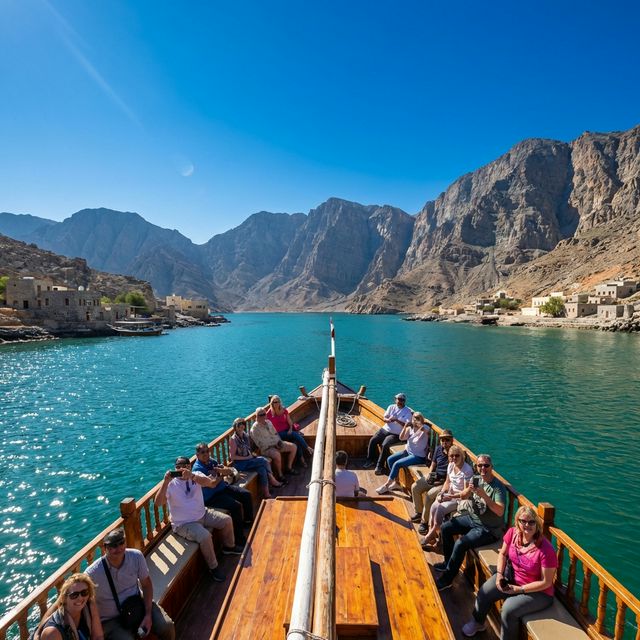 Travel Planning
Best Time to Visit Musandam
Read Article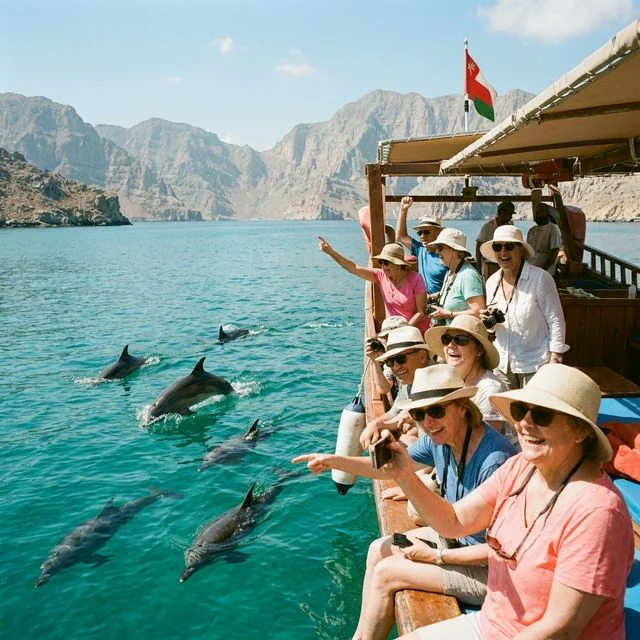 Activities