Khasab Fort: Timings, Entrance Fee, History & Museum Guide
Plan your visit to Khasab Fort – 17th-century Portuguese fortress now a museum. Opening hours, entrance fee (0.5 OMR), exhibits & tips for your Musandam trip.

Jazar Musandam Team
At a Glance
17th Century
Built
Khasab
Location
0.5 OMR
Entry Fee
30-60 min
Visit Time
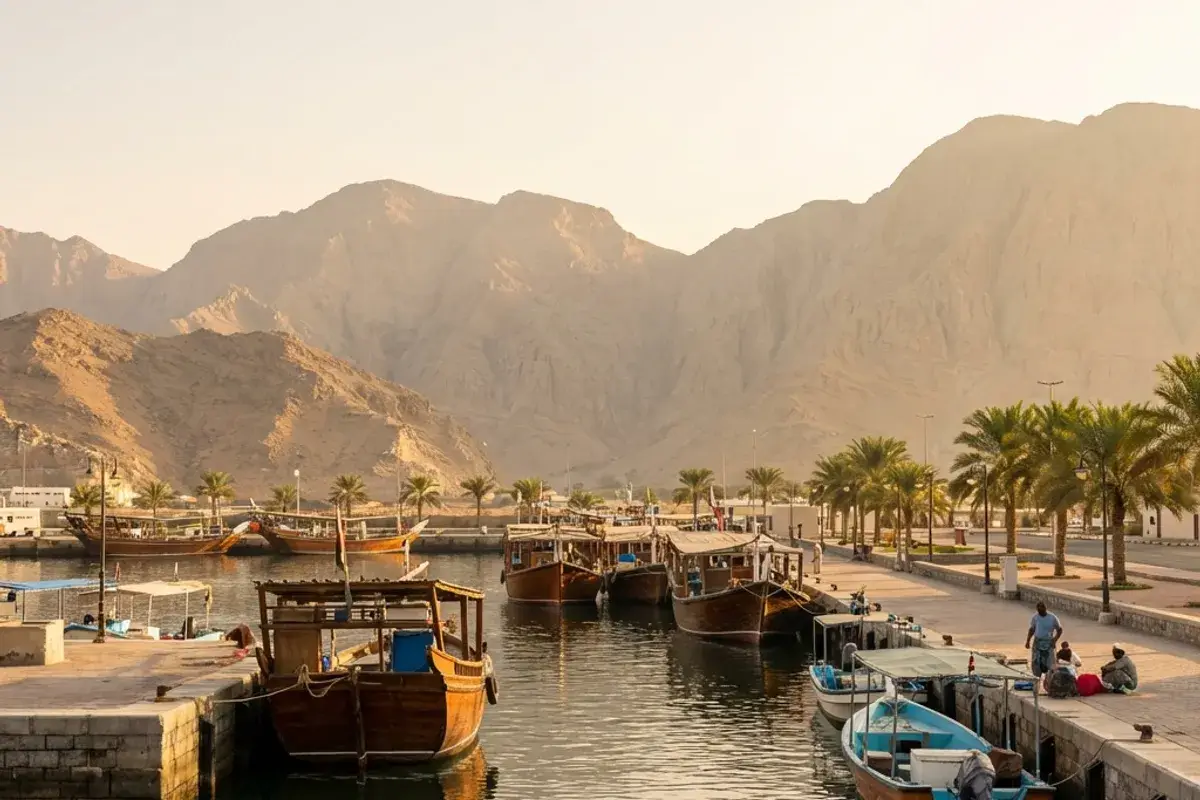
A Window into Musandam's Past
Standing prominently in the heart of Khasab town, Khasab Fort (قلعة خصب) is the peninsula's most significant historical landmark. This 17th-century fortress has witnessed centuries of history—from Portuguese colonial rule to Omani independence—and today serves as an excellent museum showcasing Musandam's rich cultural heritage.
A visit to Khasab Fort is often the first cultural stop for visitors to Musandam. It provides essential context for understanding the region's strategic importance, maritime traditions, and the lives of its people across centuries.
History of Khasab Fort
Portuguese Origins (17th Century)
The Portuguese built Khasab Fort in the 17th century as part of their extensive network of coastal fortifications controlling trade routes around the Arabian Peninsula. The Musandam Peninsula's position at the entrance to the Strait of Hormuz made it strategically vital.
Omani Period
After the Portuguese were expelled from Oman in 1650, the fort came under Omani control. It served various military and administrative functions over the following centuries, with parts of the structure being modified and expanded.
Modern Era
The fort was restored by the Omani government in the 1990s and converted into a museum. Today, it stands as a well-preserved example of military architecture and serves as a cultural center for the region.
Architecture and Layout
Khasab Fort exemplifies traditional Arabian military architecture:
- Central Tower: The distinctive round tower dominates the skyline
- Thick Walls: Constructed from local stone and mud brick
- Defensive Features: Small windows, cannon ports, protected entrances
- Courtyard: Central open area typical of Gulf forts
- Multiple Levels: Rooms arranged around the central space
The Museum Collection
Inside, the museum houses an impressive collection of artefacts and exhibits:
Maritime Heritage
- Traditional dhow-building tools and techniques
- Navigation instruments used by Omani sailors
- Fishing equipment from various eras
- Information about pearl diving traditions
Cultural Artefacts
- Traditional Omani clothing and jewelry
- Household items from Musandam villages
- Agricultural tools (date farming, fishing)
- Weaponry including the famous khanjar daggers
Archaeological Finds
- Pottery and ceramics from various periods
- Stone carvings and petroglyphs
- Items discovered at regional excavation sites
Photographic History
- Historical photographs of Khasab and Musandam
- Images showing traditional life before modernization
- Documentation of the region's development
Highlights Not to Miss
The Dhow Gallery
One of the most impressive exhibits features a full-size traditional dhow (sambuk), complete with information about how these iconic vessels were constructed using techniques passed down through generations.
The Tower View
Climb to the top of the main tower for panoramic views over Khasab town, the harbour, and the surrounding mountains. It's an excellent orientation point for understanding the town's layout.
The Courtyard Garden
The inner courtyard features a small traditional garden, providing a peaceful spot to rest and imagine life in the fort centuries ago.
Visiting Information
Location
Khasab Fort is located in the center of Khasab town, easily visible from the main road. It's within walking distance of the harbor and most hotels.
Opening Hours
- Saturday-Thursday: 9:00 AM - 4:00 PM
- Friday: 8:00 AM - 11:00 AM
- Closed: During some public holidays
Hours may vary during Ramadan. Confirm before your visit.
Entrance Fee
- Adults: 0.5 OMR (~$1.30 USD)
- Children: Usually free
How to Get There
- Walking: Easy walk from the port and most hotels
- Taxi: Any local taxi can drop you at the fort
- Tours: Many Mountain Safari tours include a fort visit
Khasab Fort vs Bukha Fort: Which to Visit?
Both forts offer unique experiences. Khasab Fort is larger, has a well-curated museum, and is easily accessible in the town centre. Bukha Fort is smaller, less restored, but offers a more authentic, less crowded experience with stunning Gulf views. If you have time, visit both — they're only 40 minutes apart by car and together give you a complete picture of Musandam's Portuguese and Omani heritage.
Photography Tips
Khasab Fort is highly photogenic. Here are some tips:
- Exterior: Best shots from across the road showing the full structure
- Shadows: Morning light creates interesting patterns on the walls
- Details: Look for carved doors, windows, and decorative elements
- Tower: Views from the top offer bird's-eye perspective of Khasab
- Museum: Low light inside—steady hands or higher ISO needed
Combining with Other Attractions
Khasab Fort is ideally combined with other town activities:
- Khasab Market: Just a short walk away
- Fish Market: Active in the mornings near the port
- Waterfront Walk: Stroll along the harbour
- Before/After Tours: Great way to start or end a dhow cruise or mountain safari
Plan Your Visit
Khasab Fort is an essential stop for anyone interested in understanding Musandam's history and culture. Combined with a dhow cruise or mountain safari, it provides a complete picture of this fascinating region.
Contact us to include a fort visit in your Musandam itinerary.
Ready to Experience Khasab Fort Tours?
Make your Khasab Fort Tours memorable with our local expertise. Whether you're interested in Musandam heritage tours or looking for comprehensive explore Khasab castle, we have the perfect itinerary for you. Let our guides help you explore the incredible beauty of Musandam.
Frequently Asked Questions
What are the opening hours of Khasab Fort?
How much is the entrance fee to Khasab Fort?
How long does it take to visit Khasab Fort?
Is Khasab Fort worth visiting?
Can I photograph inside Khasab Fort?
Is Khasab Fort accessible for wheelchairs?
What other attractions are near Khasab Fort?
Can I visit Khasab Fort on a Friday?
Is there parking near Khasab Fort?
Ready to Experience Musandam?
Book your adventure today and discover why Musandam is called the "Norway of Arabia".
Zain Musandam
Local Guide & Musandam Expert
"Zain is a local Musandam tour guide from Khasab, Oman, with over 15 years of experience navigating the Musandam fjords. He specializes in dhow cruises, fjord tours, and hidden gems in Musandam, sharing authentic insights into Omani maritime heritage."
Continue Reading
More guides and tips for your Musandam adventure
 Travel Planning
Mountain Safari Guide
Read Article Activities
Kayaking in Musandam
Read Article Activities
Scuba Diving Musandam
Read Article Travel Planning
Speedboat Tours Musandam
Read Article Destinations
Khor Najd — Hidden Viewpoint
Read Article Destinations