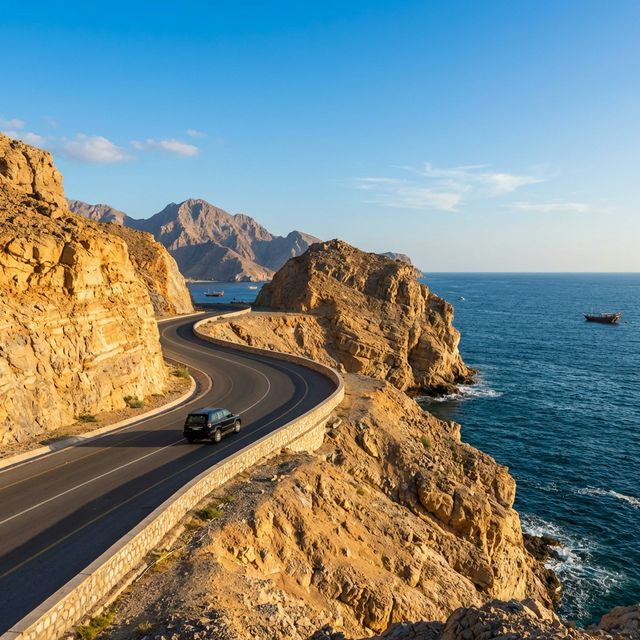
Jebel Harim: Discover Musandam's Highest Mountain
Explore Jebel Harim (Mountain of Women) at 2,087m - Musandam's highest peak. Ancient fossils, stunning views, and traditional villages await.

Jazar Musandam Team
The Mountain of Women
Jebel Harim (جبل حريم), meaning "Mountain of Women" in Arabic, is the highest peak in the Musandam Peninsula at 2,087 meters (6,847 feet). This dramatic mountain offers visitors a journey through geological time, ancient history, and breathtaking landscapes.
The mountain earned its name from a tradition where women from local villages would retreat to the safety of the mountain heights during times of conflict, while men defended the villages below.
Why Visit Jebel Harim
1. Ancient Marine Fossils
One of Jebel Harim's most remarkable features is the abundance of marine fossils embedded in the limestone rock – found 2,000 meters above sea level!
These fossils date back 250-300 million years to when this region was beneath an ancient ocean. You can see:
- Ammonites: Spiral-shaped prehistoric shells
- Brachiopods: Ancient shellfish
- Coral fragments: From prehistoric reefs
- Sea urchin fossils: Perfectly preserved specimens
It's incredible to hold a seashell fossil while standing on a mountain peak!
2. Panoramic Views
The summit area offers 360-degree views:
- Khor Ash Sham Fjord stretching below
- Hajar Mountains extending into the distance
- Gulf of Oman glittering on the horizon
- Traditional villages nestled in valleys
- Eagles soaring on thermal currents
3. Khor Najd Viewpoint
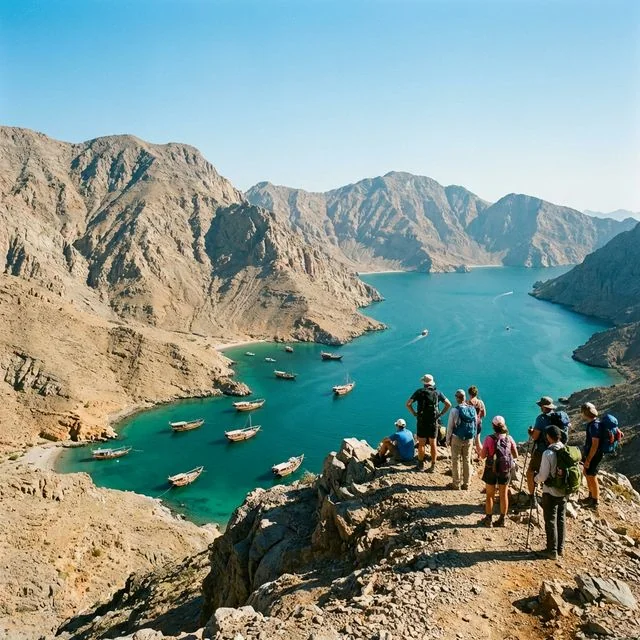
The famous Khor Najd viewpoint, accessible during the Jebel Harim tour, offers one of the most photographed vistas in Oman:
- Dramatic U-shaped fjord
- Crystal-clear turquoise waters
- Towering cliffs dropping to the sea
- Often called the "Arabian Grand Canyon"
4. Ancient Petroglyphs
At Wadi Tawi, you'll discover ancient rock carvings created by early inhabitants:
- Age: 2,000-3,000 years old
- Subjects: Animals (camels, ibex, boats), human figures, symbols
- Location: Protected rock faces along the wadi
- Significance: Evidence of early human presence in the region
The Mountain Safari Experience
What to Expect
A typical Jebel Harim Mountain Safari includes:
| Stop | Duration | Highlights |
|---|---|---|
| Wadi Tawi | 30-45 min | Petroglyphs, rock carvings |
| Fossil Rock | 20-30 min | Ancient marine fossils |
| Jebel Harim Summit | 30-45 min | Peak views, photography |
| Khor Najd | 30-45 min | Fjord viewpoint |
| Village Visit | 20-30 min | Traditional Bedouin culture |
Total Duration: 4-5 hours
The Route
- Depart Khasab: Morning pickup in 4x4 vehicle
- Mountain ascent: Winding road with scenic stops
- Wadi exploration: Petroglyphs and geological features
- Summit area: Fossils and panoramic views
- Khor Najd: The iconic fjord viewpoint
- Return to Khasab: Via traditional villages
What's Included
- 4x4 vehicle with A/C
- Professional driver/guide
- Hotel pickup and drop-off
- Bottled water
- All entrance fees
Traditional Villages
The mountain region is home to small Bedouin communities who have lived in these rugged landscapes for generations:
Village Highlights
- Stone houses: Traditional architecture adapted to the environment
- Terraced farms: Ancient agricultural practices on mountain slopes
- Goat herding: The backbone of mountain economy
- Warm hospitality: Locals often welcome visitors for coffee
Cultural Sensitivity
- Dress modestly when visiting villages
- Ask permission before photographing people
- Respect local customs and traditions
- Consider purchasing local crafts to support communities
Wildlife on Jebel Harim
The mountain environment supports unique wildlife:
| Species | Description |
|---|---|
| Arabian Tahr | Wild mountain goat, endangered |
| Blanford's Fox | Small desert fox species |
| Eagles & Vultures | Various raptor species |
| Rock Hyrax | Small mammals in rocky areas |
| Desert Lizards | Various species on rocks |
Best time for wildlife: Early morning, when animals are active
Photography Tips
Best Shots
- Khor Najd: Dawn or late afternoon for soft light
- Fossils: Close-up with wide-angle context
- Petroglyphs: Morning light for best visibility
- Villages: Golden hour for warm tones
- Summit panoramas: Clear days for distant views
Recommended Gear
- Wide-angle lens (landscapes)
- Macro lens (fossils, details)
- Polarizing filter (reduce haze)
- Dust protection (mountain environment)
When to Visit
Best Seasons
| Season | Conditions | Rating |
|---|---|---|
| Oct-Mar | Cool, clear | ⭐⭐⭐⭐⭐ |
| Apr-May | Warm | ⭐⭐⭐⭐ |
| Jun-Sep | Very hot | ⭐⭐ |
Best Time of Day
- Morning (8-11 AM): Soft light, comfortable temperatures
- Late Afternoon (3-6 PM): Golden hour photography
- Midday: Harsh light, hot (not recommended)
What to Bring
Essential Items
- Camera and charged batteries
- Sunscreen and hat
- Comfortable closed shoes (for walking on rocks)
- Light jacket (cooler at altitude)
- Sunglasses
- Water (additional to what's provided)
Optional
- Binoculars (wildlife, views)
- Notebook (for documenting fossils)
- Snacks
Mountain Safari Tours
Standard Mountain Safari
| Details | Information |
|---|---|
| Duration | 4-5 hours |
| Price | From 25 OMR per person |
| Departure | 9:00 AM |
| Vehicle | 4x4 with A/C |
| Group Size | 1-6 passengers |
Combo: Mountain + Dhow Cruise
| Details | Information |
|---|---|
| Duration | Full day (8 hours) |
| Price | From 45 OMR per person |
| Includes | Morning cruise + afternoon safari |
| Lunch | Included on dhow |
The Geological Story
Formation
The Hajar Mountains, including Jebel Harim, formed through:
- Ancient seabed (250-300 million years ago): Marine sediments accumulated
- Tectonic uplift: Arabian plate collision with Asian plate
- Mountain building: Layers pushed upward
- Erosion: Water and wind shaped the dramatic landscapes
This process explains why marine fossils exist at 2,000+ meters elevation!
Rock Types
- Limestone: Primary rock type, rich in fossils
- Dolomite: Crystalline formations
- Chert: Hard, silica-rich nodules
Book Your Jebel Harim Adventure
Experience the Mountain of Women with our expert guides:
- Morning Safari: 9:00 AM departure
- Afternoon Safari: 2:00 PM departure
- Private Tours: Custom timing available
All tours include pickup from Khasab hotels. Contact us to book your mountain adventure!
Ready to Experience Jebel Harim Mountain Safari?
Make your Jebel Harim Mountain Safari memorable with our local expertise. Whether you're interested in highest peak in Musandam or looking for comprehensive Khasab 4x4 mountain tours, we have the perfect itinerary for you. Let our guides help you explore the incredible beauty of Musandam.
Frequently Asked Questions
How high is Jebel Harim?
What does Jebel Harim mean?
Can you drive to the top of Jebel Harim?
What are the fossils on Jebel Harim?
How long is the Jebel Harim mountain safari?
What is the best time to visit Jebel Harim?
Ready to Experience Musandam?
Book your adventure today and discover why Musandam is called the "Norway of Arabia".
Zain Musandam
Local Guide & Musandam Expert
"Zain is a local Musandam tour guide from Khasab, Oman, with over 15 years of experience navigating the Musandam fjords. He specializes in dhow cruises, fjord tours, and hidden gems in Musandam, sharing authentic insights into Omani maritime heritage."
Continue Reading
More guides and tips for your Musandam adventure