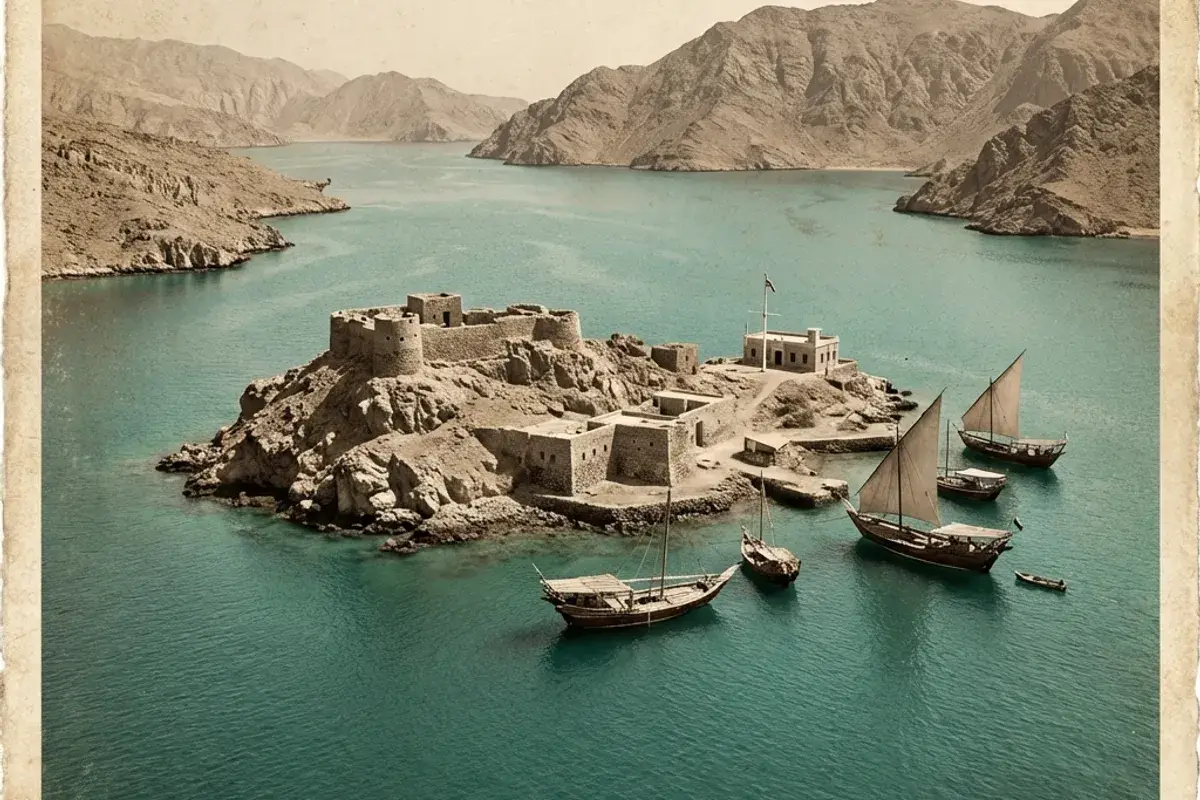
The History of Traditional Omani Dhows
Learn the fascinating history behind the traditional Omani wooden dhows that sail the Musandam fjords, from ancient pearl diving to modern tourism.

Jazar Musandam Team
When you step aboard a Khasab dhow cruise, you aren't just stepping onto a tourist boat — you are stepping onto a profound piece of Arabian maritime history.
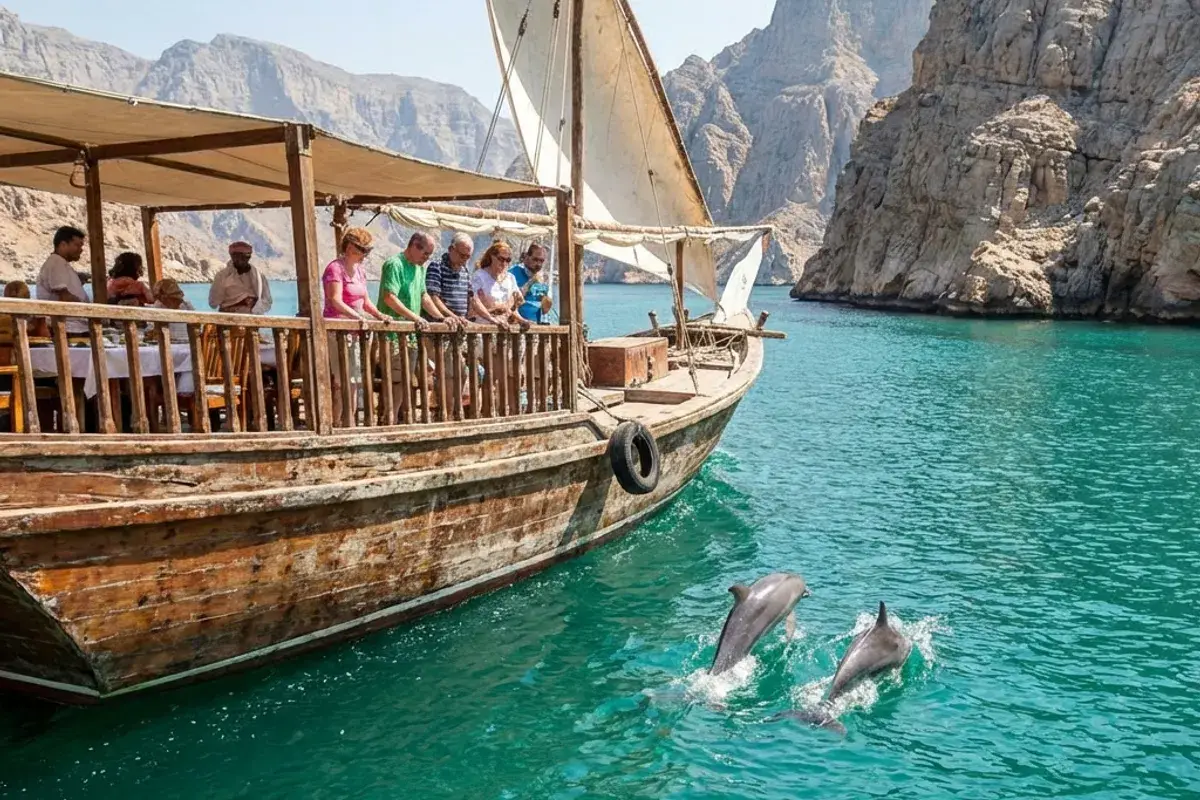
The wooden dhow (pronounced dow) is the iconic symbol of Omani seafaring heritage. For thousands of years, these beautiful, hand-crafted vessels were the engines of trade, exploration, and survival in the harsh Arabian environment.
Ancient Origins
The exact origins of the dhow are lost to history, but historians believe they originated either in the Arabian Peninsula or India between 600 BC and 600 AD.
Oman's strategic position at the edge of the Arabian Peninsula meant that its people were natural seafarers. Long before modern shipping, Omani sailors used dhows to navigate the treacherous monsoon winds of the Indian Ocean, establishing vast trade routes that stretched from East Africa to China. They carried dates, pearls, and frankincense outward, returning with spices, timber, and silk.
Master Boat Builders
What makes a traditional dhow so remarkable is how it is built. Historically, the hull of a dhow was constructed without a single nail.
Instead of nailing wooden planks to a frame, master craftsmen would sew the wooden planks together using ropes made from coconut husk (coir). The wood — usually imported teak from India — was treated with shark oil and fish fat to make it waterproof.
The ships were built purely by eye and experience; the master builder (the nakhoda) never used written blueprints. While modern dhows use iron nails, bolts, and diesel engines, the beautiful sweeping shape of the hull remains identical to the ships that sailed these waters a millennium ago.
The Pearl Diving Era
Before the discovery of oil, the economy of the Musandam Peninsula and the wider Arabian Gulf relied heavily on pearl diving.
Fleets of dhows would leave ports like Khasab for months at a time during the hot summer. Dozens of divers would live on the crowded wooden decks, holding their breath to harvest oysters from the seafloor. It was a brutally difficult life, but it fostered a deep, respectful relationship between the Omani people and the sea.
Modern Dhows in Musandam Tourism
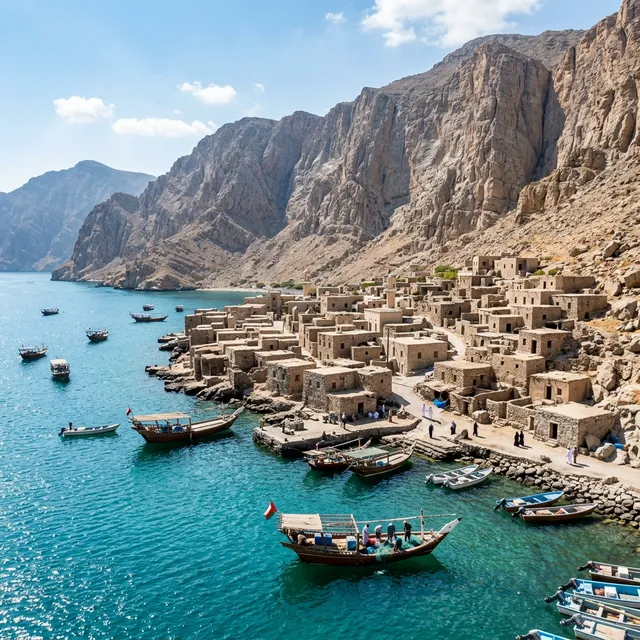
As trade modernized and pearl diving declined, the role of the dhow shifted. Today, in Musandam, the dhow has been reborn as the ultimate vehicle for exploring the spectacular fjords of Khor Sham.
The commercial cargo holds have been transformed into spacious, shaded lounging decks. The rough wooden floors are now covered in vibrant, plush Bedouin carpets and soft cushions.
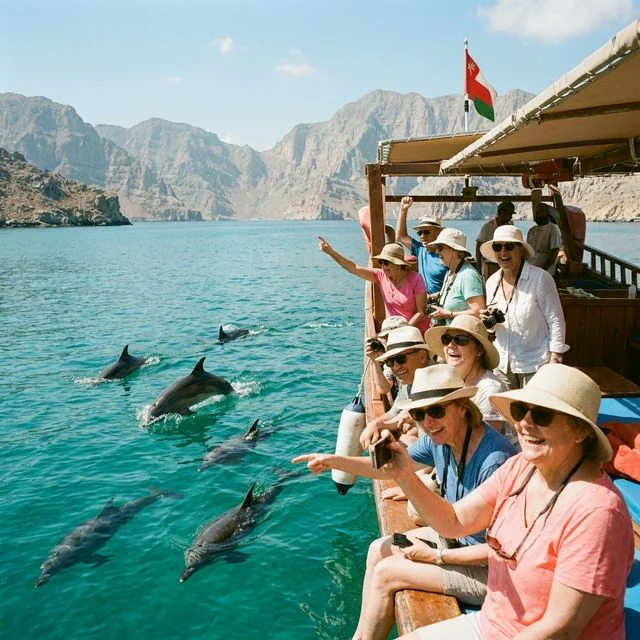
Yet, as you sail past Telegraph Island or watch dolphins surf your wake on a Full Day Cruise, the fundamental magic of the dhow remains unchanged. The smell of the oiled wood, the gentle creaking of the hull in the water, and the sweeping Arabian lines of the bow connect modern travelers directly to the ancient mariners of Oman.
Ready to Experience Traditional Omani Dhow Tour?
Make your Traditional Omani Dhow Tour memorable with our local expertise. Whether you're interested in Musandam cultural heritage or looking for comprehensive Khasab authentic dhow experience, we have the perfect itinerary for you. Let our guides help you explore the incredible beauty of Musandam.
Frequently Asked Questions
What is a dhow?
Are Musandam dhows still built the traditional way?
Ready to Experience Musandam?
Book your adventure today and discover why Musandam is called the "Norway of Arabia".
Zain Musandam
Local Guide & Musandam Expert
"Zain is a local Musandam tour guide from Khasab, Oman, with over 15 years of experience navigating the Musandam fjords. He specializes in dhow cruises, fjord tours, and hidden gems in Musandam, sharing authentic insights into Omani maritime heritage."
Continue Reading
More guides and tips for your Musandam adventure